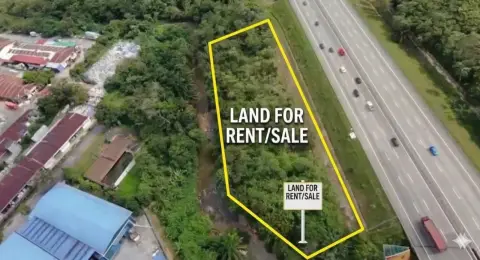
Leasing Out Land in Malaysia: Registered Leases vs Tenancies Exempt from Registration
How owners in Peninsular Malaysia can rent out land as a storage yard, container depot or farm plot, and what tenants should check: the three-year line between a tenancy and a registered lease, Form 15A and the 99- and 30-year limits, chargee and State consent, what happens when the land is sold, land use conditions and planning permission, stamp duty, and due diligence.
Updated 22 Nov 2026 · PropertyMsia
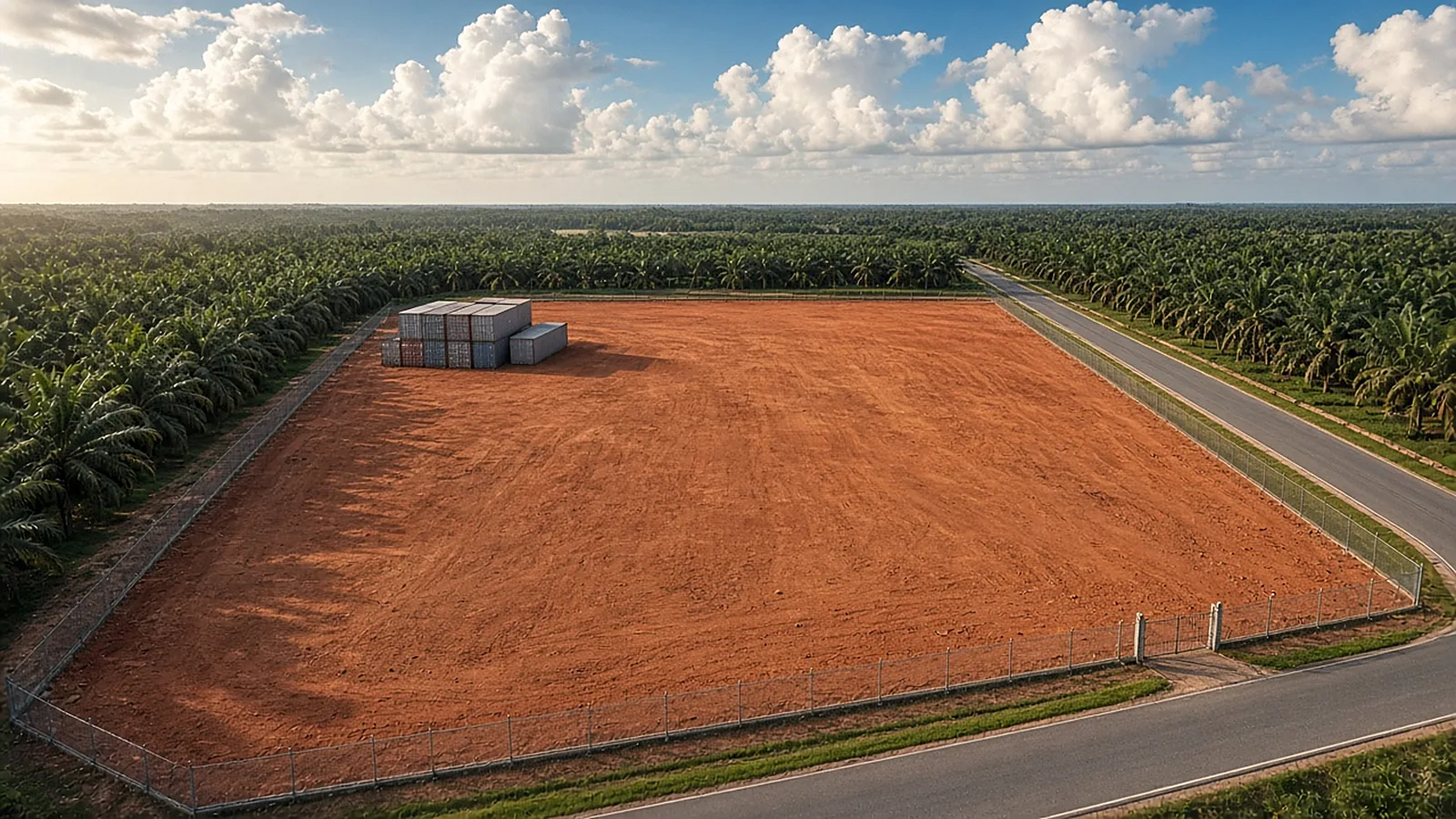
Vacant land can earn income long before it is developed, as a storage yard, container depot, lorry park or farm plot. Whether the deal is a simple tenancy or a registered lease decides how well the tenant is protected and what the owner must sign. This guide covers Peninsular Malaysia, where the National Land Code (NLC) applies. Sabah and Sarawak have their own land laws. It is general information, not legal advice.
Summary
- A rental of 3 years or less is a tenancy exempt from registration. It can be oral or written, but always put it in writing.
- More than 3 years is a lease: it is granted in Form 15A and registered, for up to 99 years over the whole lot or 30 years over part of it.
- An unregistered tenancy does not bind a later buyer or chargee unless it was endorsed on the title first.
- The use must fit the land's category and conditions. A yard on agricultural land may need conversion and planning permission.
1. Tenancy or lease: the three-year line
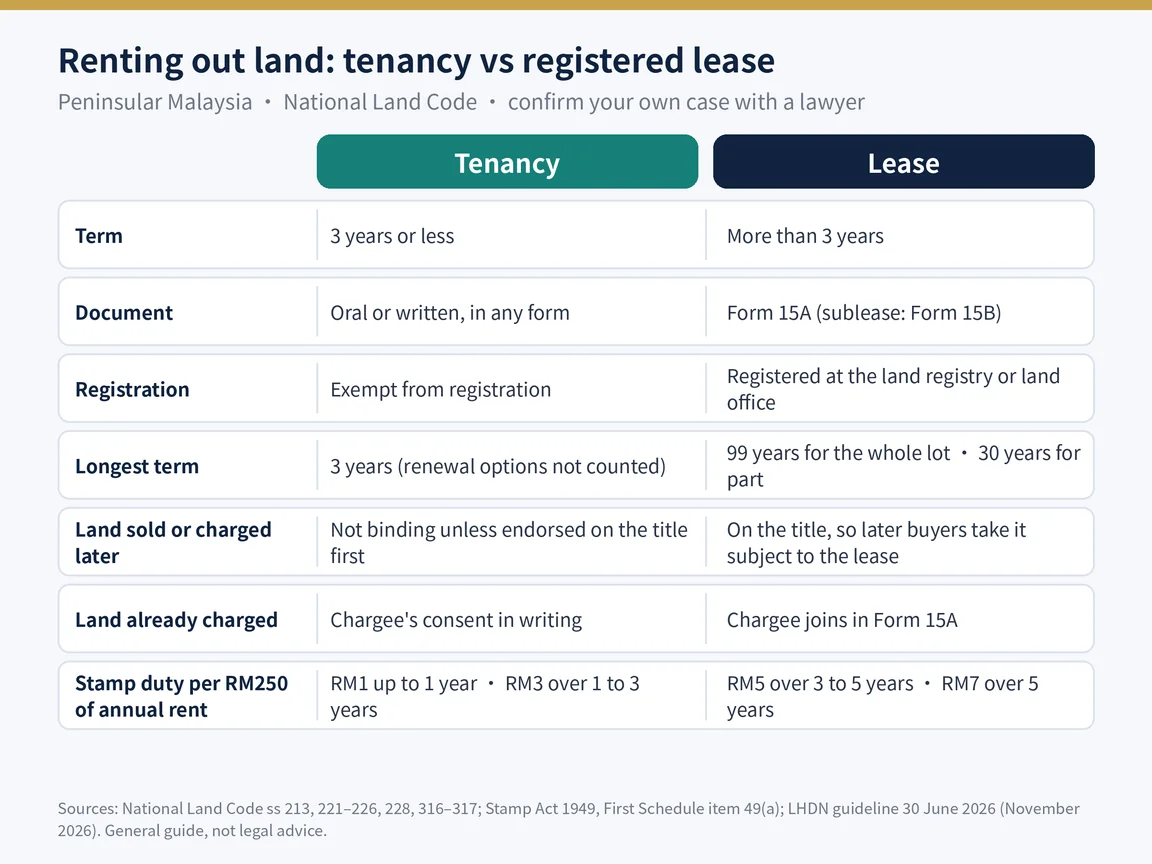
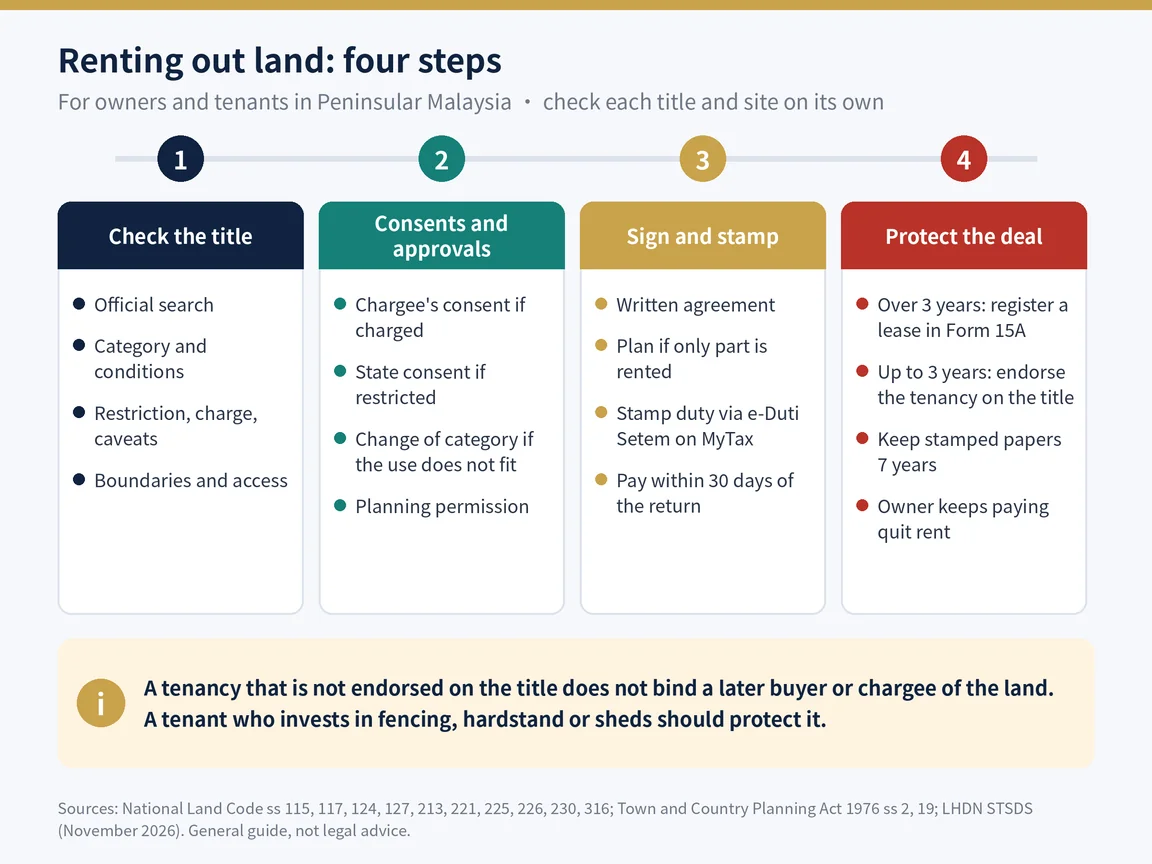
Under the NLC, an owner may grant tenancies of up to three years over the whole or any part of the land. These are tenancies exempt from registration: they are valid by word of mouth or by a written agreement in any form. For a term of more than three years, the owner grants a lease in Form 15A, which is registered at the land registry or land office. A lease can run for up to 99 years if it covers the whole lot, but only 30 years if it covers part, and a lease of part must attach a plan and description that identifies the area.
When counting the term, an option to renew is ignored. A three-year tenancy with an option for another three years is still a tenancy. Put any option in writing: an option in an oral tenancy cannot be enforced against a new owner.
2. Consents to check before you sign
- Restriction in interest: the power to lease is subject to any restriction in interest on the title. If the title says the land cannot be leased without State Authority consent, get that consent first.
- Charged land: if the land is charged to a financier, the owner cannot grant a lease or tenancy without the chargee's consent. For a lease, the chargee joins in Form 15A; for a tenancy, the consent is given in writing.
3. What happens if the land is sold
A registered lease is endorsed on the title, so a later buyer or chargee takes the land subject to it. A tenancy is different. The NLC says a tenancy exempt from registration is not binding on someone who later buys the land, or takes a lease or charge over it, unless the tenancy was protected by an endorsement on the title before that dealing. The tenant can apply to the Registrar to endorse the claim (with a plan if it covers part of the land, and the chargee's consent if the land is charged). If you will spend on fencing, hardstand or sheds, consider an endorsement or a registered lease.
4. Use the land the way the title allows
Every title carries a category of land use (agriculture, building or industry) and conditions. Agricultural land is meant to be cultivated, while the industry category covers uses such as the storage, transport and distribution of goods. A lessee must observe the conditions of the land, but a breach makes the owner's land liable to a fine or even forfeiture. If the planned use does not fit, the owner can apply to the State Authority to change the category or conditions; see our guide to converting agricultural land. Separately, the Town and Country Planning Act 1976 requires planning permission from the local planning authority for development, which includes a material change in the use of land. Check both before signing. The owner also remains liable for quit rent to the State.
5. Stamp duty on a tenancy or lease
Tenancy and lease agreements are stamped under item 49 of the Stamp Act 1949. Without a premium, duty is charged on every RM250 (or part) of the annual rent: RM1 for up to one year, RM3 for over one and up to three years, RM5 for over three and up to five years, and RM7 for over five years or an indefinite term. A lump-sum premium is charged separately. Since 1 January 2026, tenancies and leases are self-assessed through e-Duti Setem on MyTax (the old STAMPS system closed on 31 December 2025), and duty is paid within 30 days of submitting the return. Our guide to renting a factory or warehouse has worked examples.
6. Due diligence before renting land
- Official search: confirm the registered owner, category, express conditions, restrictions, any charge, caveats and existing leases or tenancy claims. Our land due diligence checklist covers this in detail.
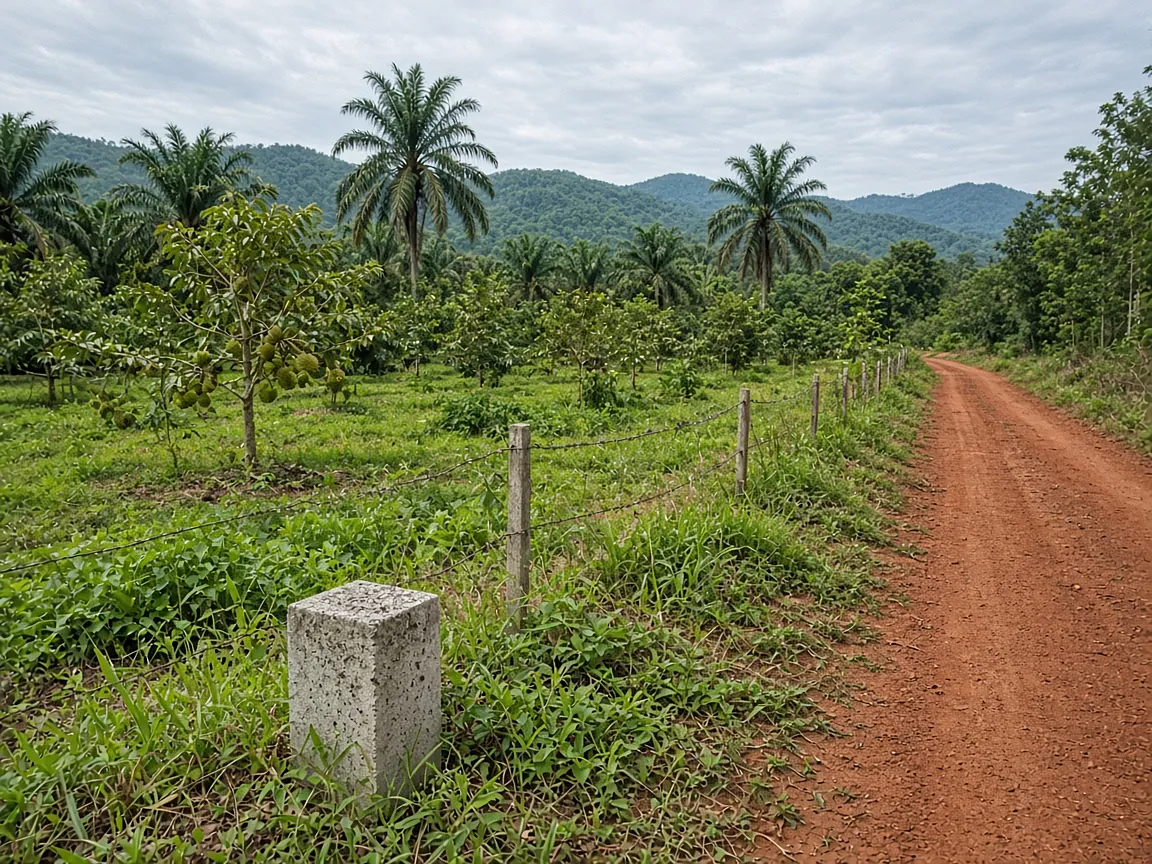
- Boundaries: compare the site with the certified plan from JUPEM. If boundary stones are missing, a licensed land surveyor can relocate them before anyone puts up a fence.
- Access: make sure there is lawful road access, not a track across a neighbour's land.
7. Practical tips for owners and tenants
- Write it all down: term, rent, deposit, permitted use, who obtains approvals, who pays utilities, subletting and how the land is handed back. If only part of the lot is rented, attach a sketch plan.
- Owners: check what the tenant will do on the land before signing; their use can put your title at risk.
This guide is based on the National Land Code, the Town and Country Planning Act 1976, the Stamp Act 1949 and LHDN guidelines as at November 2026. Sabah and Sarawak have their own land laws. Ask a lawyer about your own case.
Have land to rent out, or looking for a yard or farm plot? Chat with PropertyMsia on WhatsApp and we will help you check the details.
Talk to a registered agent for free advice on pricing, zoning and due diligence.
Get in touch Land Listings